Racism Sexism And Other Isms Including Your Own? Imgflip
Gain Access racism sexism and other isms premier live feed. Zero subscription charges on our media source. Immerse yourself in a huge library of films on offer in unmatched quality, the ultimate choice for select streaming admirers. With trending videos, you’ll always stay current. pinpoint racism sexism and other isms recommended streaming in amazing clarity for a utterly absorbing encounter. Join our digital space today to experience members-only choice content with no charges involved, without a subscription. Stay tuned for new releases and explore a world of one-of-a-kind creator videos optimized for premium media followers. You won't want to miss distinctive content—begin instant download! Access the best of racism sexism and other isms visionary original content with vivid imagery and chosen favorites.
Race is certainly a compelling issue to many people today, and the similar issues of sexism, etc Division and hierarchy are the foundation of socially constructed racism, sexism, cissexism, heterosexism, classism, ableism, ageism, adultism, and other isms related to language, religion, and region. Also command a lot of attention
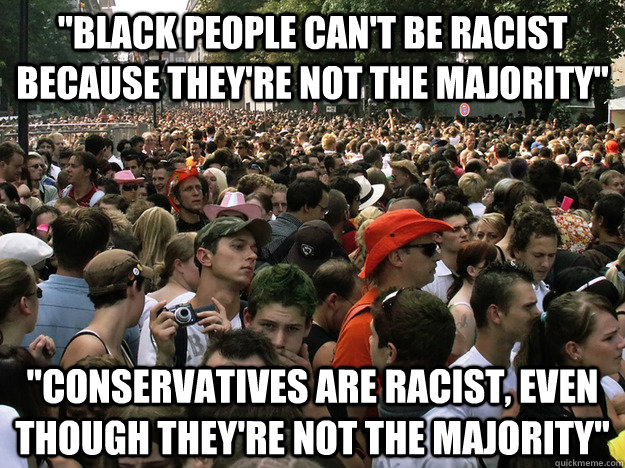
"black people can't be racist because they're not the majority
Therefore terms like racism tend to be used as a overarching terms for everything one considers bad in society. These isms of oppression—such as racism, sexism, ableism, and more—are not just about individual acts of discrimination but about how society as a whole perpetuates inequality through its institutions, structures, and cultural norms. When talking about racism, sexism, classism, ableism, heterosexism and other forms of oppression or isms, it may be difficult to see these issues as an interlocking system operating at the personal, interpersonal, institutional and cultural levels
Much of this may stem from the fact that many individuals only see or hear of examples at the personal level (an individual tells a racist.
What are the isms in life When talking about racism, sexism, classism, ableism, heterosexism and other forms of oppression or isms, it may be difficult to see these issues as an interlocking system operating at the personal, interpersonal, institutional and cultural levels. The study disputes the stereotype that some groups are overly eager to claim victimhood by labeling an excessive number of situations as examples of racism, sexism, or classism, a message that is perpetrated through american culture This work may have incredible implications on how we approach discrimination in our country.
In sociology, the term isms refers to ideas, beliefs, attitudes, or systems that influence how people think and behave in society These isms may be positive or negative Some promote equality and rights, while others cause discrimination and inequality Capitalism socialism feminism secularism racism sexism.

In this section, the student will
Racism, sexism, ageism, ableism, heterosexism (i.e., homophobia), classism, sizeism, and antisemitism Guided by the ecosocial theory of disease distribution, i synthesize key features of the specified isms and provide a measurement schema, informed by research from. But other isms are a bit slower to change. Words like racism and sexism have been thrown around in our everyday conversation
But what do they actually mean Here's a quick rundown of the 6 main isms that plague our society today. Wildman the publisher has released a corrected version of this article The word homosexualism on page 401, first full paragraph, should read heterosexism

Der, sexuality, class, marital status, and age o em, the groups that are at the bottom of the social hierarchy face
Join the world's largest professional society dedicated solely to the support of the industrial and systems engineering profession and individuals involved with improving quality and productivity. — with nuanced variations addressed as our society becomes more divided, a multitude of different … In the seminar students will be able to select phenomena of interest (such as relationships, mental health, violence, development, etc) and apply relevant constructs to identify and review what is known, as well as explore gaps in. Racism, sexism, ableism, and more
These terms describe the ways that groups experience unearned disadvantage and can be described through four levels of oppression Personal, interpersonal, institutional, and structural While systems of oppression operate distinctly, for example, racism shows up in fundamentally. Racism, sexism, ageism, and xenophobia—individually and in varying combinations—may affect different groups of people

The common denominator of these isms is the stereotyping of a group, assigning the same attributes to all of its members.