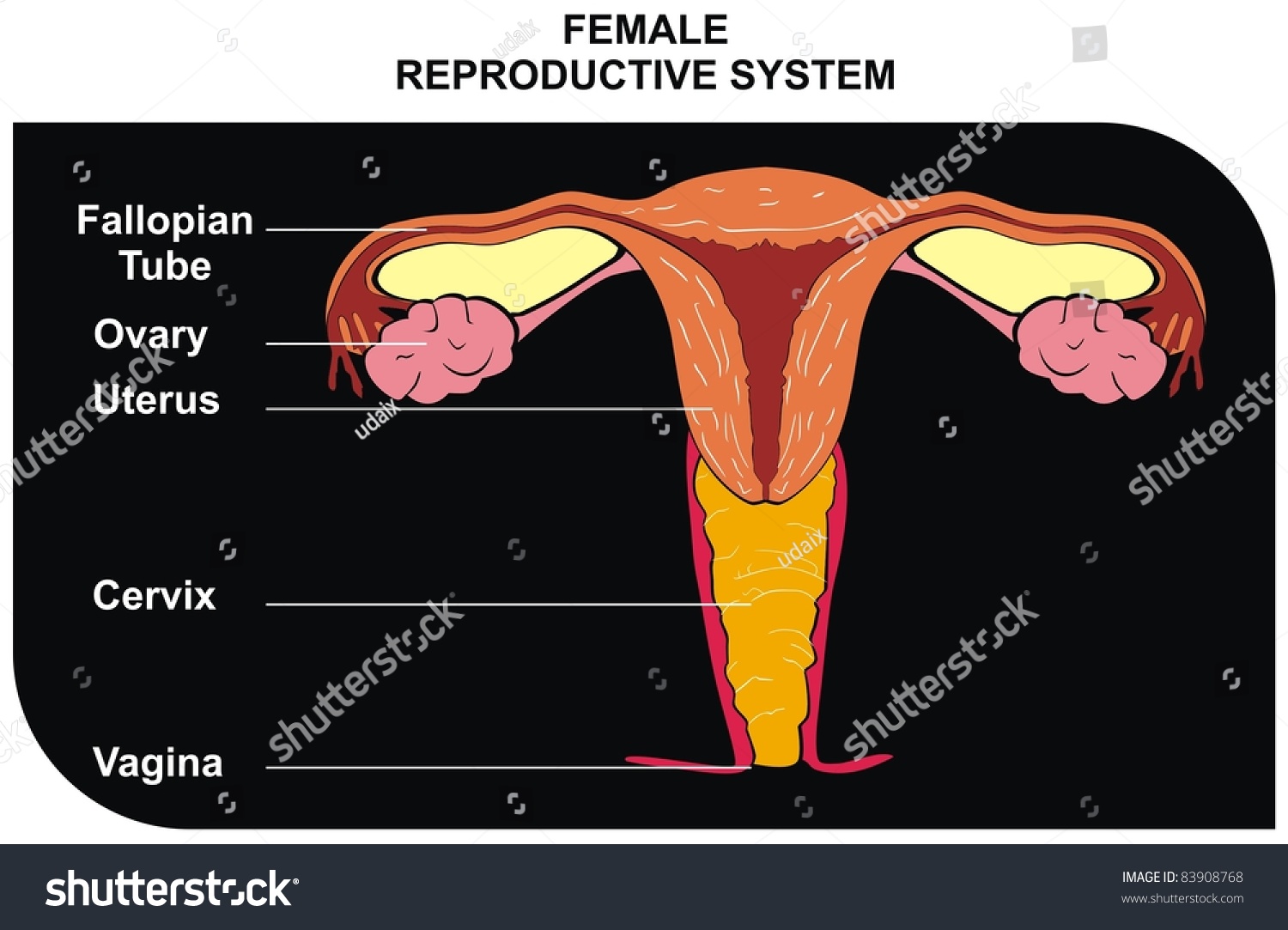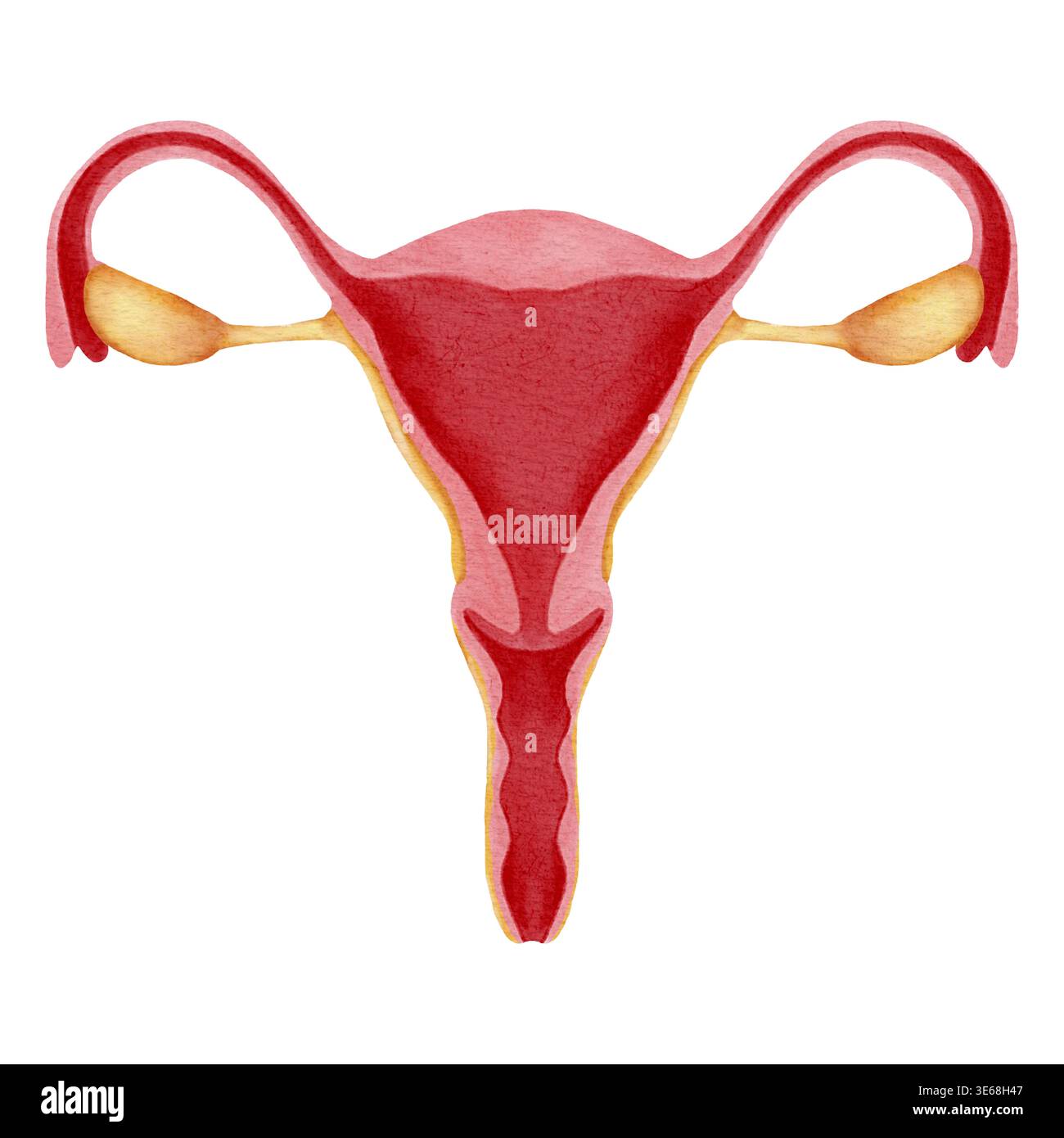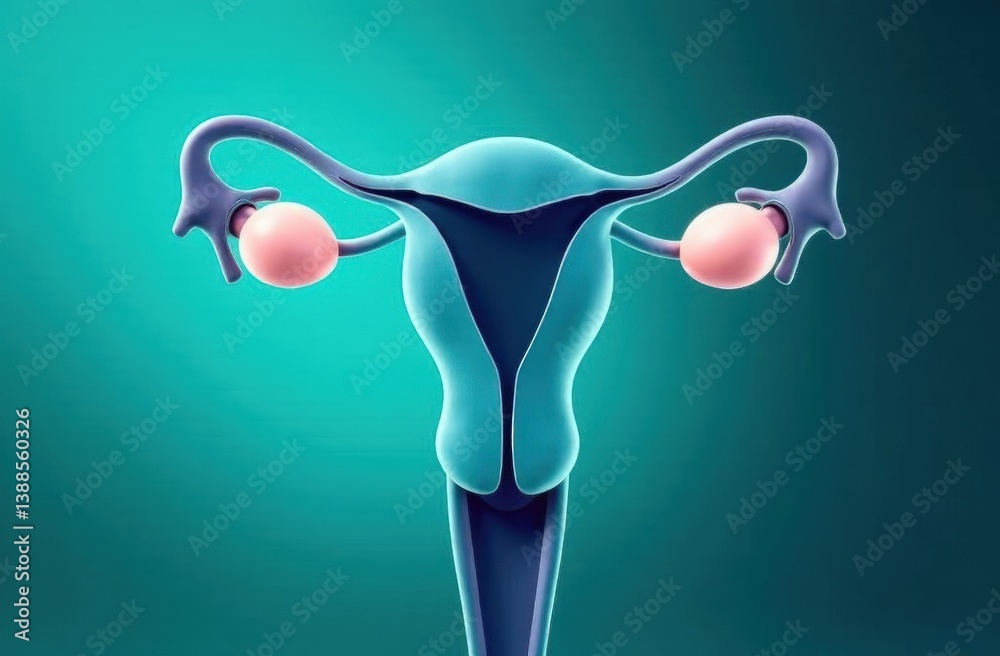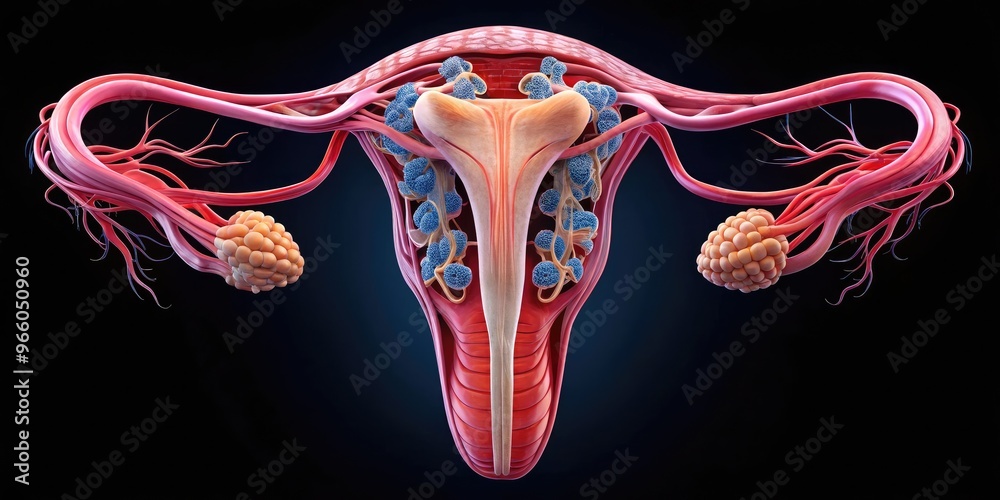
Which Type Of Asexual Reproduction Produces Two Identical Cells 3d Medical Illustration The Female Reproductive System Highlighting
Launch Now which type of asexual reproduction produces two identical cells unrivaled broadcast. No hidden costs on our entertainment center. Immerse yourself in a universe of content of curated content demonstrated in crystal-clear picture, great for premium streaming junkies. With current media, you’ll always receive updates. stumble upon which type of asexual reproduction produces two identical cells expertly chosen streaming in impressive definition for a deeply engaging spectacle. Participate in our platform today to view private first-class media with without any fees, without a subscription. Appreciate periodic new media and uncover a galaxy of singular artist creations tailored for choice media aficionados. Don't forget to get never-before-seen footage—save it to your device instantly! Experience the best of which type of asexual reproduction produces two identical cells visionary original content with exquisite resolution and exclusive picks.
Types of asexual reproduction fission prokaryotes (archaea and bacteria) reproduce asexually through binary fission, in which the parent organism divides in two to produce two genetically identical daughter organisms. Numerous types of asexual reproduction exist, including fission, fragmentation, and budding. The main type of asexual reproduction that produces two identical cells is mitosis
Detailed Anatomical Illustration of Female Reproductive System Stock
During mitosis, a parent cell divides to create two genetically identical daughter cells, crucial for growth and repair in multicellular organisms and used for reproduction in some unicellular organisms. Asexual reproduction involves one parent and produces offspring that are genetically identical to each other and to the parent The process of cell division is how multicellular organisms grow and repair themselves
It is also how many organisms produce offspring
The parent cell simply divides to form two daughter cells that are identical to the parent. A type of asexual reproduction in which the parent cell divides into two genetically identical daughter cells Bacteria and other prokaryotes reproduce by binary fission. Study with quizlet and memorize flashcards containing terms like the type of cell division that produces two genetically identical daughter cells is important for all of the following functions except ________
Production of sperm and eggs b Growth of a multicellular organism d Asexual reproduction, which of the following statements applies to sexually reproducing. Mitosis is the process of cell division that produces two genetically identical daughter cells from a single parent cell
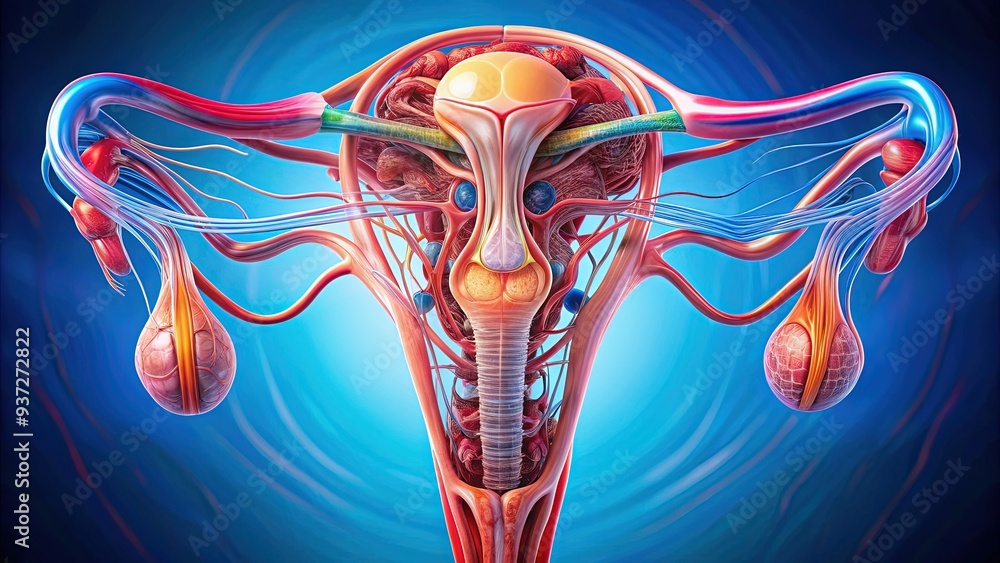
This form of cell division functions in growth, tissue repair, and asexual reproduction in some organisms.
Definition of asexual reproduction asexual reproduction is a biological process in which a single organism produces offspring without the fusion of gametes, resulting in genetically identical progeny. The type of asexual reproduction you're referring to is called binary fission This is common in prokaryotic organisms, which are organisms without a nucleus, such as bacteria In binary fission, one parent cell divides into two identical daughter cells.
The type of reproduction that produces two identical daughter cells is known as binary fission This process is a form of asexual reproduction typically seen in unicellular organisms, such as bacteria. In eukaryotes, asexual reproduction uses the same process as when the cells in your body divide via mitosis, so we'll learn that process now Mitosis produces two daughter cells that are genetically identical to each other, and to the parental cell.

Doesn't a human have sexual and asexual reproduction because the first cell of the human divide into multiple cells using budding so isn't the human reproductive system using both types?
Summary asexual reproduction involves one parent and produces offspring that are genetically identical to each other and to the parent Sexual reproduction involves two parents and produces offspring that are genetically unique During sexual reproduction, two haploid gametes join in the process of fertilization to produce a diploid zygote Meiosis is the type of cell division that produces.
The result of mitosis is two daughter cells, each with the same number of chromosomes as the parent cell, arranged in an orderly manner along the metaphase plate In mitosis, which occurs in. Asexual reproduction occurs when an organism makes more of itself without exchanging genetic information with another organism through sex In sexually reproducing organisms, the genomes of two parents are combined to create offspring with unique genetic profiles.
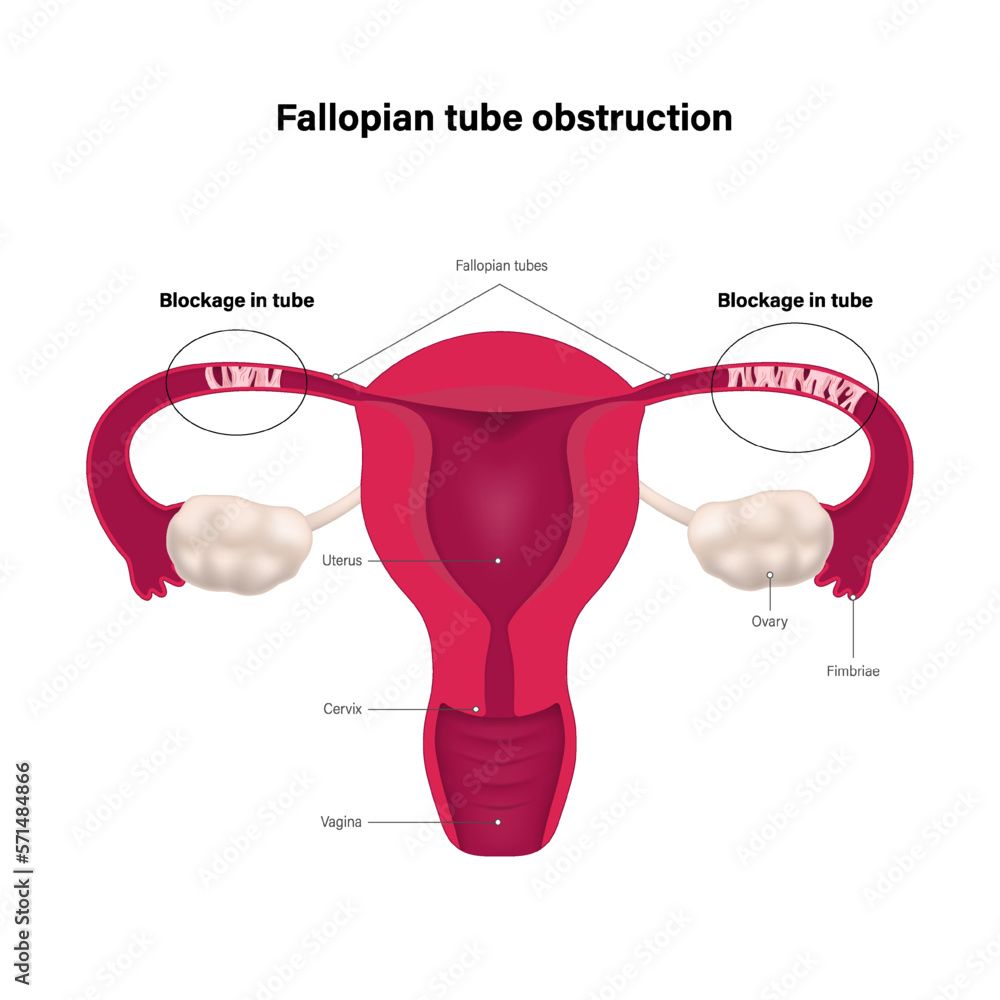
Asexual reproduction involves only one parent and occurs without the fusion of gametes
Offspring produced by asexual reproduction are genetically identical to the parent and are called clones It is a rapid method of reproduction, common in unicellular organisms, simple multicellular organisms, and plants Different modes of asexual reproduction include fission, fragmentation, regeneration. Animals produce offspring through asexual and/or sexual reproduction
Both methods have advantages and disadvantages Asexual reproduction produces offspring that are genetically identical to the parent because the offspring are all clones of the original parent A single individual can produce offspring asexually and large numbers of offspring can be produced quickly Describe advantages and disadvantages of asexual and sexual reproduction animals produce offspring through asexual or sexual reproduction
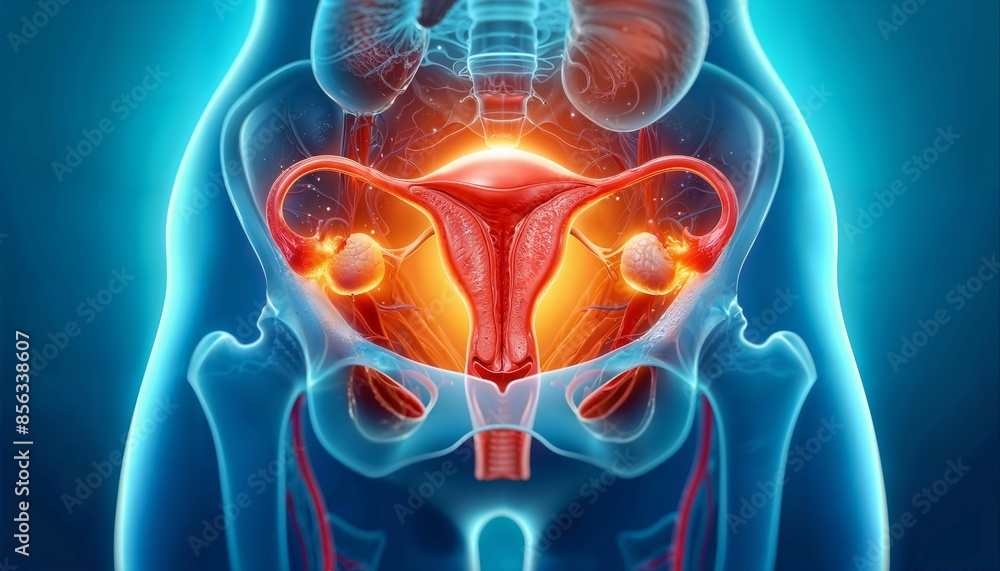
Reproduction may be asexual when one individual produces genetically identical offspring, or sexual when the genetic material from two individuals is combined to produce genetically diverse offspring.
There are two types of reproduction Sexual reproduction and asexual reproduction Sexual reproduction requires both a male and a female gamete with different genetics to fuse during fertilization, therefore creating an offspring that is different from the parents. Asexual reproduction cell division is how organisms grow and repair themselves
The parent cell divides to form two daughter cells identical to the parent. Asexual reproduction is a reproduction mode in living beings that must have a single parent Thus, unlike sexual reproduction, it does not require two sex cells or gametes to fuse Asexual reproduction produces offspring genetically the same as the parent